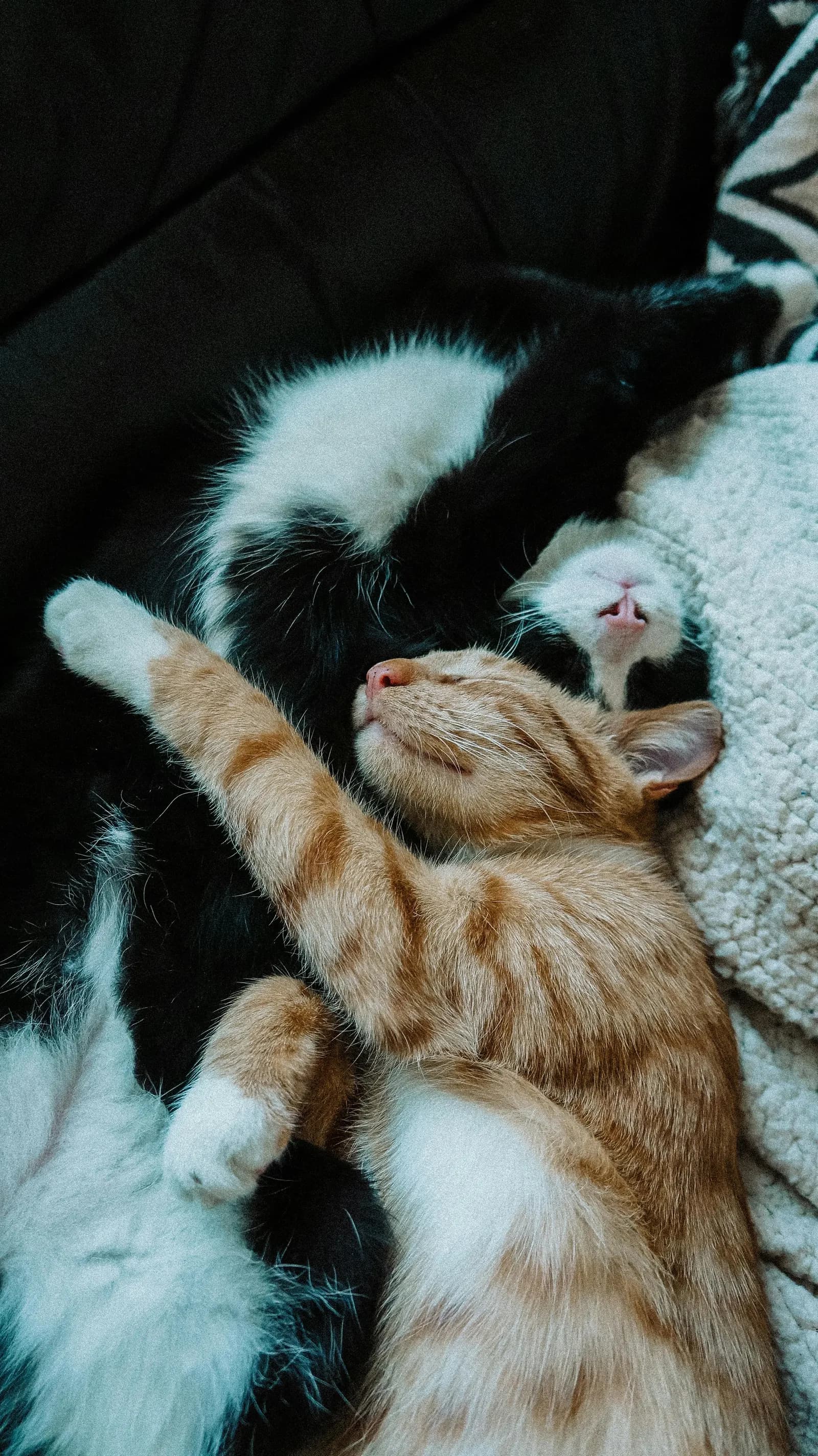
The silence in your home is deafening. Losing a pet is a uniquely painful experience, and it's natural to be consumed by your own grief right now. But have you noticed your other furry friends acting differently? Maybe they're eating less, sleeping more, or just seem… lost, their eyes holding a question you can't answer. You're not imagining things. Just like us, pets grieve the loss of their companions.
The short answer - Yes, pets absolutely grieve the loss of other pets. Dogs and cats can experience sadness, confusion, anxiety, and loneliness when they lose a companion. Recognizing the signs of grief in your surviving pets and providing them with extra support can help them cope during this heartbreaking time.
The First Month
Practical help for the days after your pet dies.
Questions to ask a crematory. Words for telling children. Pages for decisions about ashes and belongings.
26 one-page cards, printable checklists, and fillable worksheets. Choose the situation you need help with and start there.
Inside the PDF. Tap a page to read it.
One payment. Instant PDF download. No subscription. Yours to print and keep.
You'll see Affluenss at checkout. FindPetCremations is operated by Affluenss LLC.
If it isn't what you needed, reply to your delivery email for a refund. No questions.
Card 1 of 26, free
The first night
The rule: nothing has to be decided tonight, except one thing.
Read tonight's cardClose the card
If they are still at home with you
The one thing to decide tonight is where they rest until morning. That is all.
- Lay them on a towel or a blanket in the coolest room you have: a laundry room, a garage, a tiled floor. Not the car.
- If you can, settle them on their side with the legs gently tucked, the way they slept. Do this soon rather than later. Within a few hours the body stiffens, and it becomes harder to move them with care.
- A little fluid can release. One towel underneath and one folded over is enough. This is normal, and it is not a sign that anything was done wrong.
- In a cool room they can stay overnight and through tomorrow. If it is warm where you are, wrap them in the blanket and then a large bag, and use the coolest space you have.
- Collar on or collar off. Either is fine. Many people take it off tonight and are glad later that they did.
If they died at the vet's
Then the where is already handled, and there is nothing you have to do tonight. The clinic will keep them safely until you have chosen what happens next. You can call in the morning. Card 4 covers what you can still ask the clinic for: time with them, a paw print, the collar back.
What you do not have to do tonight
- Choose a crematory. Tomorrow is fine. Almost every crematory collects within a day, and the person who answers the phone has heard every version of this call. Card 3 has the eight questions to ask.
- Decide private or communal. Card 2, when you are ready.
- Tell everyone. Tell the people in the house. Everyone else can wait until tomorrow, or next week.
- Move anything. The bowl, the bed, the leash by the door: leave them exactly where they are. Card 7 is for when you want it, and there is no deadline.
What to say in the house tonight
To a child: "[Name] died today. Her body stopped working and the vet could not fix it. It was not anyone's fault. We are going to be sad for a while, and that is okay." Then stop talking and let them ask. Card 6 has more, by age.
To each other: nothing clever. "I am so sad" is a complete sentence.
One small thing, if you want one
Sit with them for a few minutes. Tell them one thing you will miss. Turn off the light.
That is a goodbye, and it counts. A fuller one can come later, and card 16 will help. Tonight, this is enough.
If tonight feels like more than you can carry, card 25 has people who answer the phone at this hour.
Yes, do pets grieve other pets - here's what the research says
It's easy to assume that animals don't experience grief the way humans do. But science increasingly shows us that dogs, cats, and other social animals form deep, meaningful bonds with each other. These bonds create a social structure within your home, and when one member is gone, it profoundly disrupts the entire system.
Research indicates that pets can experience a range of emotions mirroring human grief. This includes sadness, anxiety, confusion, and even loneliness. You might notice behavioral changes as they try to understand and cope with the absence of their companion. The bond they shared was real, and the grief they feel is real too.
What does this mean as you navigate your own loss? It means that your observations are valid and your feelings are justified. If you see your pet acting differently after the loss of a companion, trust your instincts. They are likely grieving, and they desperately need your love and support.
Signs of grief in dogs
Dogs often show their grief in ways that are relatively easy to recognize. Changes in their behavior can range from subtle to dramatic. The intensity often depends on their individual personality and the strength of their bond with their deceased housemate. Pay close attention to these signs and offer your dog the comfort they need during this difficult period.
Some common signs of grief in dogs include:
- Loss of appetite: Your dog may refuse to eat their food, even favorite treats, or only eat a very small amount. You might try tempting them with some plain boiled chicken and rice.
- Lethargy: They may sleep far more than usual, seeming uninterested in walks or playtime. The bounce in their step is gone.
- Searching: You might notice your dog wandering from room to room, sniffing under furniture, as if actively looking for their lost companion. Their tail might be down, ears drooped.
- Changes in vocalization: Some dogs may whine, bark, or howl more frequently, expressing their distress and confusion.
- Clinginess: Your dog may become unusually attached to you, following you from room to room, seeking constant attention and physical contact. They may nudge your hand for pets or whine when you leave their sight.
- Depression: A general sadness or lack of enthusiasm for activities they once loved. Their eyes might seem dull, and their body language subdued.
Remember that every dog is an individual, and they may not exhibit all of these signs. The intensity and duration of their grief will also vary. Be patient and understanding, and offer them plenty of love and reassurance. If you have questions about end-of-life pet care, FindPetCremations.com has resources to help you through this challenging time.
Signs of grief in cats
Cats can be more subtle in their displays of grief, but they absolutely feel the loss of a companion. It's important to be observant and look for changes in their behavior that might indicate they are struggling. Because cats are often perceived as more independent than dogs, their grief can sometimes be overlooked.
Keep an eye out for these signs of grief in cats:
- Loss of appetite: Similar to dogs, cats may refuse to eat or only eat very little. You might notice their food bowl remains untouched for extended periods.
- Changes in sleep patterns: They may sleep more or less than usual. Perhaps they're now sleeping in the spot where their companion used to sleep.
- Withdrawal: Your cat may become less social, hiding under furniture or in secluded areas, avoiding interaction with you and other pets.
- Increased vocalization: Some cats may meow more frequently or loudly, often with a plaintive tone.
- Changes in grooming habits: They may groom themselves less frequently, resulting in a matted or unkempt coat, or they may over-groom in an attempt to self-soothe.
- Litter box issues: Stress can sometimes lead to accidents outside the litter box. Consult your vet to rule out any medical causes first.
It's important to rule out any underlying medical conditions if you notice these changes in your cat. A visit to the vet can help determine if their behavior is related to grief or a health issue. Remember to be patient and provide your cat with a safe and comforting environment.
How to support your grieving pet
Supporting a grieving pet requires patience, understanding, and a willingness to adjust your routine to meet their needs. Your primary goal is to provide them with a sense of security and stability during this emotionally challenging time. Here are some specific actions you can take to help:
- Maintain a routine: Stick to your pet's regular feeding, walking, and playtime schedule as closely as possible. This predictability can provide a sense of normalcy and security when their world feels chaotic.
- Offer extra attention: Spend more quality time cuddling, playing, and talking to your pet in a soothing voice. Let them know, through your presence and touch, that you're there for them.
- Provide comfort items: Offer them their favorite toys, blankets, or beds. These familiar items carry comforting scents and associations that can ease their anxiety.
- Consider environmental enrichment: Introduce new toys, food puzzles, or interactive activities to keep them mentally stimulated and prevent boredom, which can exacerbate grief.
- Avoid major changes: Now is not the time to make any significant changes to your home environment or daily routine, as this can add to their stress and confusion.
- Let them grieve: Don't try to force your pet to "snap out of it" or "get over" their grief. Allow them to process their emotions in their own way and at their own pace.
It's also crucial to take care of yourself during this difficult time. Grieving alongside your pet can be emotionally draining and physically exhausting. Make sure you're getting enough rest, eating nourishing meals, and seeking support from friends, family, or a therapist. Remember, you can find additional resources on coping with pet loss on FindPetCremations.com.
When to talk to your vet
While most pets will eventually adjust to the loss of a companion, some may need additional support and professional intervention. It's important to consult with your veterinarian if you observe any of the following signs or symptoms:
- Prolonged loss of appetite: If your pet refuses to eat for more than 24-48 hours, despite your efforts to entice them, it's crucial to seek veterinary attention to rule out any underlying medical issues.
- Significant weight loss: This could indicate an underlying health problem or a severe reaction to grief that requires medical intervention.
- Severe lethargy: If your pet is extremely tired, weak, and uninterested in anything, even their favorite activities, it's important to rule out any medical problems.
- Aggression or anxiety: If your pet becomes uncharacteristically aggressive towards you or other animals, or if they exhibit signs of extreme anxiety, such as panting, pacing, or trembling, it's important to seek professional help from a vet or certified animal behaviorist.
- Self-harm: If your pet is engaging in self-harming behaviors, such as excessive licking, biting, or scratching, it's crucial to consult with a vet or animal behaviorist immediately.
Your vet can help determine if your pet's behavior is related to grief, an underlying medical condition, or a combination of both. They may also recommend medication or behavioral therapy to help them cope with their grief in a healthy way. Don't hesitate to reach out for professional help if you're concerned about your pet's well-being. You can also read more about navigating the first week without your pet on FindPetCremations.com.
Frequently asked questions
How long does pet grief last?
The duration of grief in pets varies significantly from one animal to another. Some pets may only show noticeable signs of grief for a few days or weeks, while others may continue to grieve for several months. Factors influencing the grieving process include the strength of the bond with the deceased pet, the surviving pet's individual personality and temperament, and the overall environment in the home. Be patient and provide ongoing support during this time.
Can pets die of a broken heart?
While it is rare, pets can experience such profound grief that it negatively impacts their physical health and overall well-being. The intense stress, sadness, and depression associated with grief can weaken their immune system, making them more susceptible to various illnesses and infections. Monitor your grieving pet closely for any signs of physical or behavioral changes, and provide them with the necessary care and support to maintain their health. Consult your vet with any concerns.
Should I let my pets see the body of their deceased companion?
Allowing surviving pets to see the body of their deceased companion is a deeply personal decision with varying opinions among experts. Some believe that it can help them understand the loss on a basic level and prevent them from searching endlessly for their friend who is no longer there. This can potentially provide a sense of closure and facilitate the grieving process. However, every pet is different, and some may become distressed or confused by the sight. Consider your pet's individual personality and consult with a vet or animal behaviorist for personalized guidance.
How can I help my grieving pet eat?
Grief can often lead to a significant loss of appetite in pets, making it challenging to ensure they receive adequate nutrition. To encourage your pet to eat, try offering their favorite foods, warming their food slightly to enhance the aroma and make it more appealing, or even hand-feeding them small portions. You can also try adding a small amount of low-sodium broth or wet food to their dry food to make it more palatable. If their appetite doesn't improve after a few days, consult with your veterinarian to rule out any underlying medical issues that may be contributing to their inappetence.
Is it okay to get a new pet soon after a loss?
The decision to get a new pet is a highly personal one that depends on your individual circumstances, your emotional readiness, and the specific needs of your surviving pet. While a new companion can sometimes alleviate loneliness and bring joy back into the home, it's essential to ensure that your grieving pet has adequately adjusted to the loss before introducing a new animal into the household. Bringing a new pet into the home too soon could overwhelm them, hinder their grieving process, and potentially create additional stress and behavioral issues. Consider waiting a few weeks or even months, and carefully assess your pet's emotional state before making a decision.